
Oven Not Reaching Temperature? How to Diagnose the Problem
Repairly Team · · 4 min read
In this article
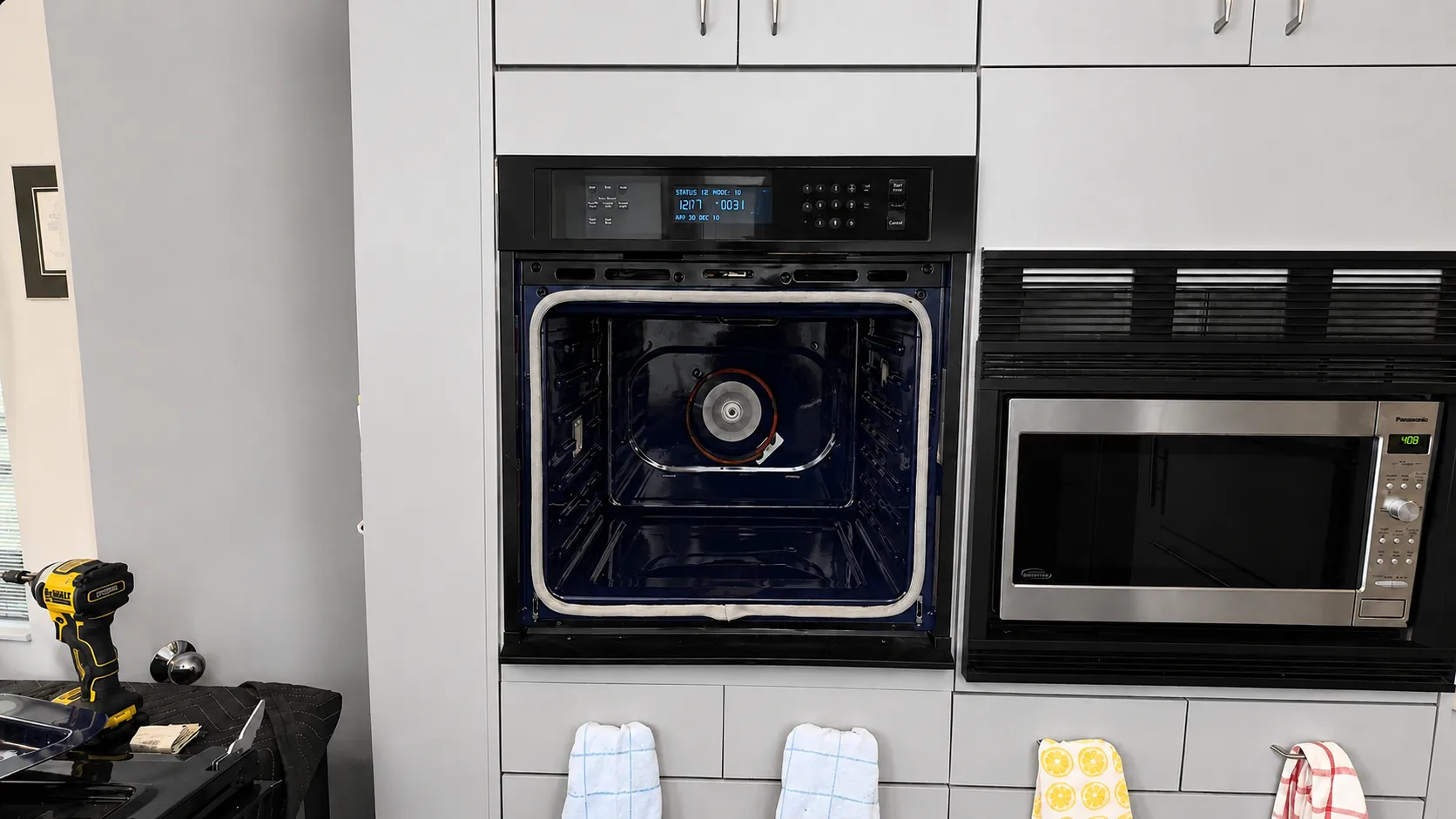
If your oven not reaching temperature has turned dinner into a guessing game, you are not alone. An oven that runs cool, heats slowly, or never hits the number on the dial usually points to one worn part rather than a dead appliance. Here is how to diagnose the problem step by step so you know what is going on before you call anyone.
Dinner on the line? See how we repair an oven that won’t heat in Los Angeles — $79 diagnostic, waived when you proceed.
First, Confirm It Is Actually the Oven
Before you blame a part, make sure the oven is truly underheating and it is not just the built in display lying to you.
Pick up an inexpensive oven thermometer, hang it from a center rack, and run a simple test:
- Set the oven to 350°F and let it fully preheat.
- Wait about 20 minutes so the temperature settles.
- Read the thermometer, then check again after another 15 minutes.
If the thermometer reads close to 350°F, your oven is fine and your recipe or old pans may be the issue. If it lands well below the setting, you have a real heating fault worth chasing down.
The Bake Element (Electric Ovens)
In an electric oven, the bake element is the curved metal rod along the bottom. When it works, it glows bright orange. When it fails, it may stay dark, glow only in spots, or show a visible blister or break.
- Unplug the oven or switch off its breaker before you inspect anything.
- Look for cracks, bubbling, or a burned through section.
- Watch a cold start (power restored) to see if the whole element glows evenly.
A bake element that will not glow or is visibly damaged is a common reason for weak heat, and it is one of the more straightforward parts to replace.
The Igniter (Gas Ovens)
In a gas oven, a weak igniter is the usual culprit. The igniter has to glow hot enough and long enough to open the gas valve. As it ages, it may still glow but no longer get hot enough to let gas flow, so the oven barely heats or takes forever.
If you ever smell gas, stop. Do not switch anything on or light a flame. Leave the door open, ventilate the room, get everyone out, and call your gas company or 911 from outside first.
With no gas smell, you can watch the igniter through the oven bottom on a cold start. A healthy one glows bright and the burner lights within a minute or so. A weak orange glow with no flame points to a tired igniter.
A Failing Temperature Sensor
Most modern ovens rely on a temperature sensor (a thin metal probe near the top rear wall) to tell the control board when to stop heating. If that sensor reads wrong, the oven shuts the heat off too early and never reaches the set temperature.
- Confirm the probe is not touching the oven wall, which can throw off readings.
- Compare the oven’s behavior against your rack thermometer from the first step.
- Persistent underheating with a good element or igniter often points here.
Calibration Drift
Sometimes nothing is broken at all. Over years of use, an oven’s calibration can drift so the real temperature runs 20 to 30 degrees below the dial.
Many ovens let you adjust this yourself. Check your owner’s manual — or your manufacturer’s support site, such as GE Appliances’ owner support — for the calibration or “offset” setting, then nudge it based on your thermometer readings. Re test with the thermometer after any change so you are not overcorrecting.
When to Call a Technician
Some fixes cross into gas lines, wiring, or control boards, and that is where a pro belongs. Reach out when:
- You smell gas at any point (after handling the emergency steps above).
- The element or igniter needs replacing and you are not comfortable with the swap.
- Heat stays low even after you have checked the sensor and calibration.
- Error codes, a dead control board, or scorched wiring show up.
Repair costs vary with the part and model, so ask for a written estimate before work begins. A technician who handles wall oven repair and range repair can test each component in minutes and get your oven back to the right temperature safely.
If your oven still will not reach temperature, let Repairly help. We offer appliance repair across Los Angeles for refrigerators, wall ovens, cooktops, ranges, and dryers. Give us a call and get your kitchen back in working order.
Repairly Team
Expert appliance repair technicians serving Los Angeles homeowners.
Related Articles
Ready to book?
Appliance repair in Los Angeles, backed by warranty
Call or book online, and we'll confirm your visit time by phone.